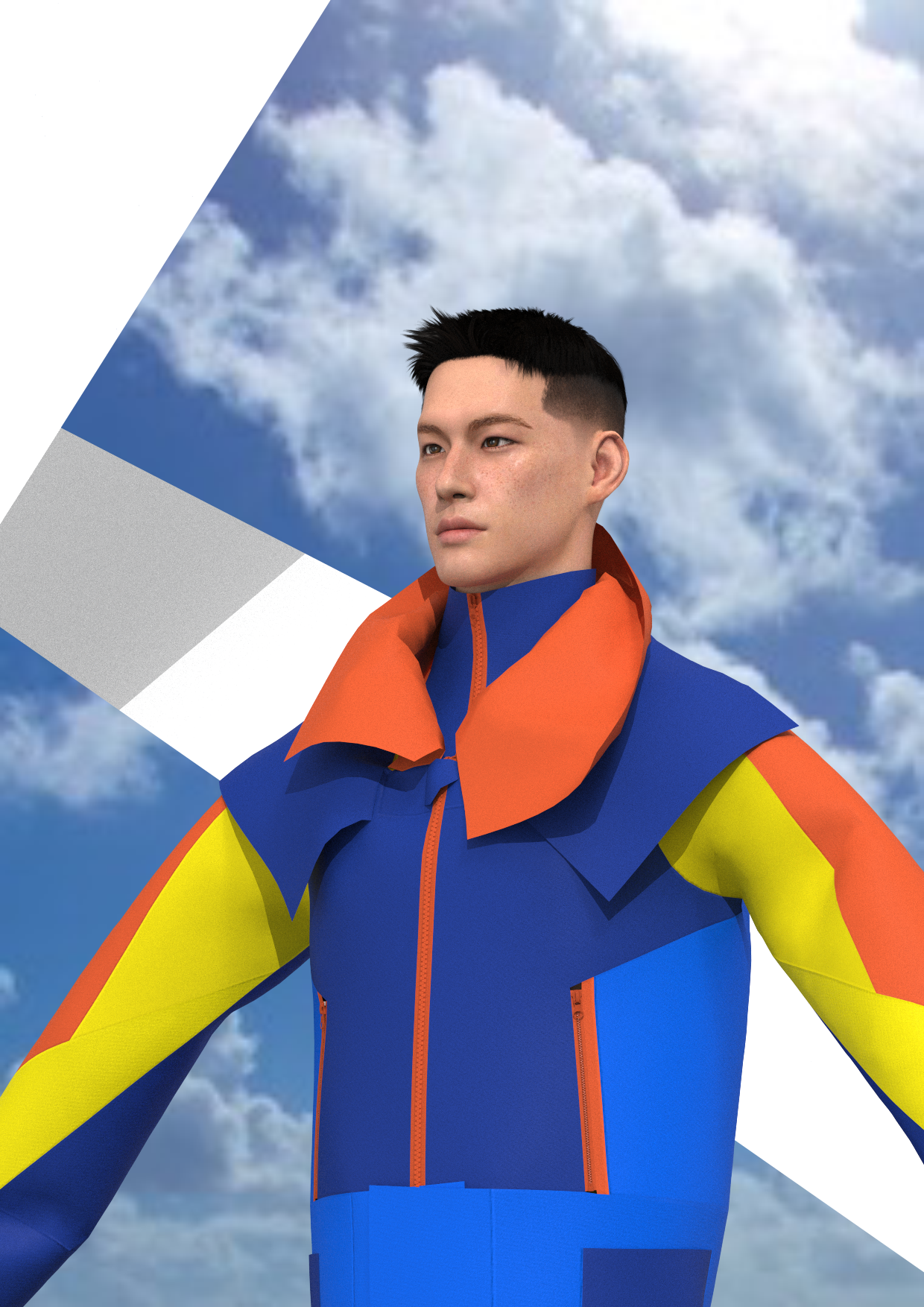
TRANSFORMARE is a design research project that explores the evolving needs of workers in the offshore renewable energy sector. As the industry shifts away from oil and gas towards sustainable sources like wind and tidal power, there is a growing demand for specialised workwear that reflects these new environments. This project aims to identify the physical, environmental, and ergonomic challenges faced offshore and to develop innovative, future-forward garments that enhance safety, comfort, and mobility for the people driving the energy transition.
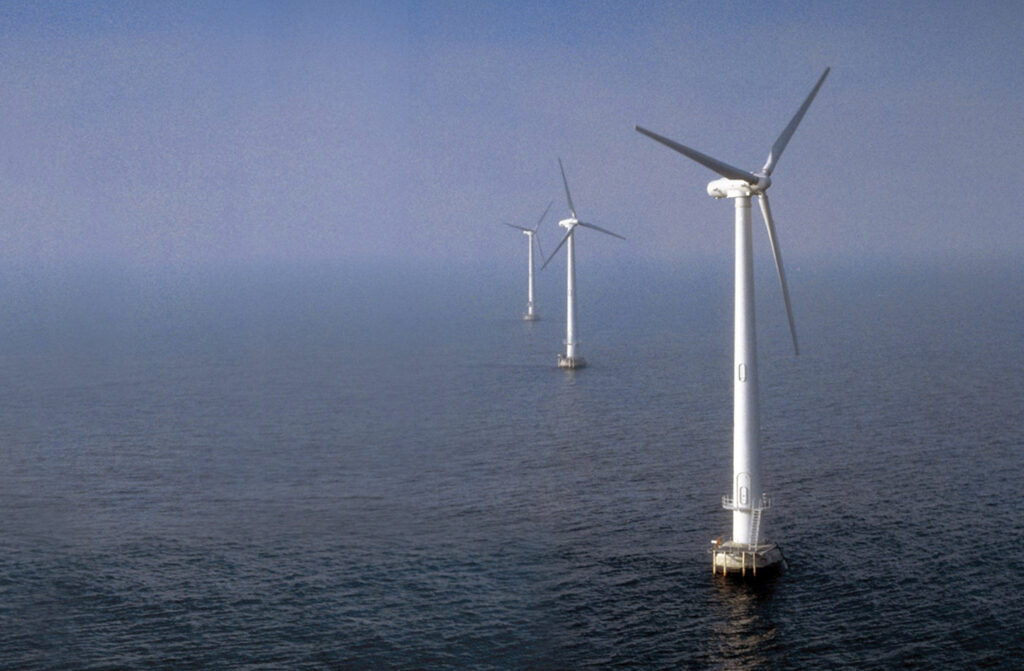
Sector Context & Industry Need
The offshore wind sector has developed rapidly in the past 20 years. Turbines are now significantly larger, located farther offshore, and require more specialised maintenance. This presents new challenges for the professionals working on-site, who must transition between marine vessels, climb turbine structures, and perform tasks in highly variable weather conditions. While the sector is supported by a handful of PPE manufacturers, much of the current gear is general-purpose, meeting safety requirements without fully addressing use-case-specific mobility, fit, or environmental factors. There is a need for garments designed with the specifics of offshore wind operations in mind. These functionalities include temperature regulation, integration with other safety systems, and the ability to maintain comfort and flexibility in different climates and activity levels.
Design Response
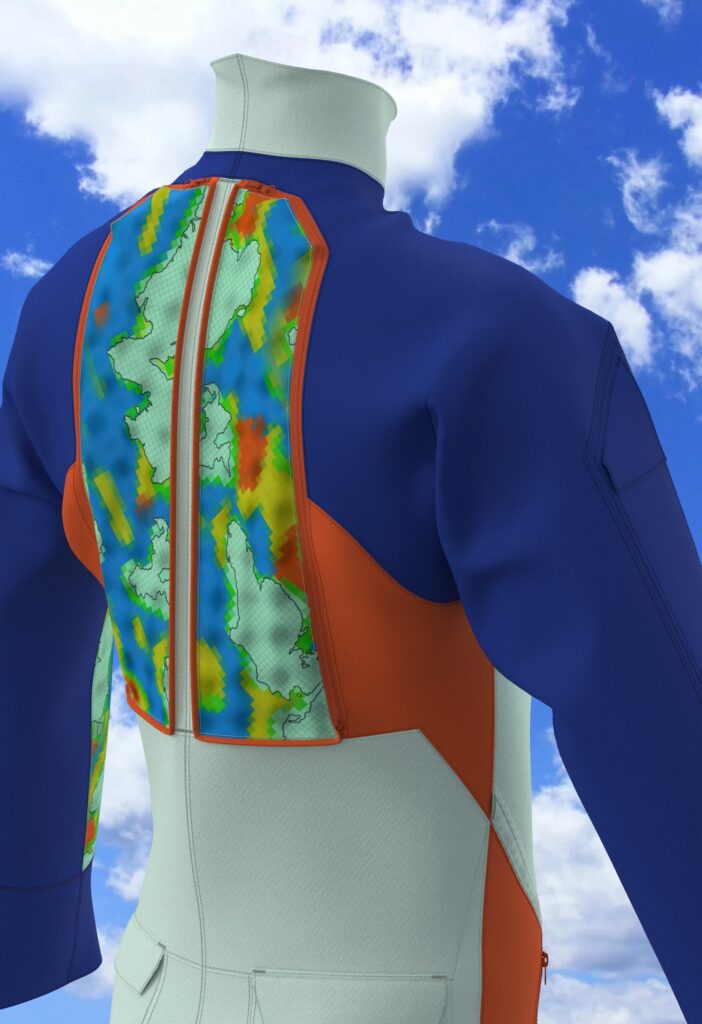
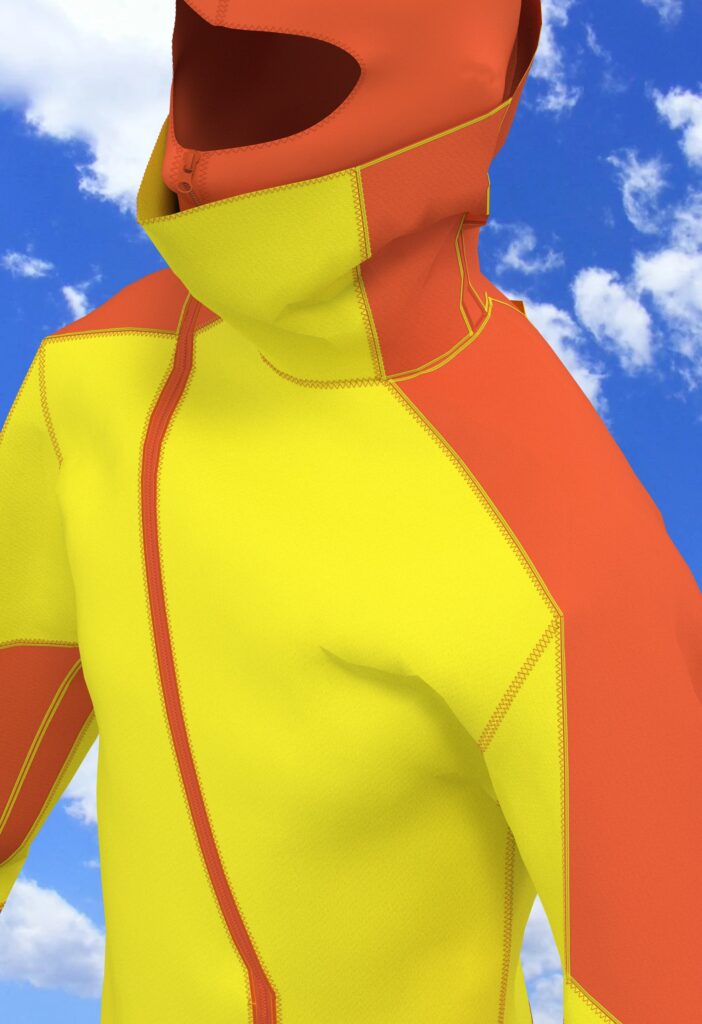
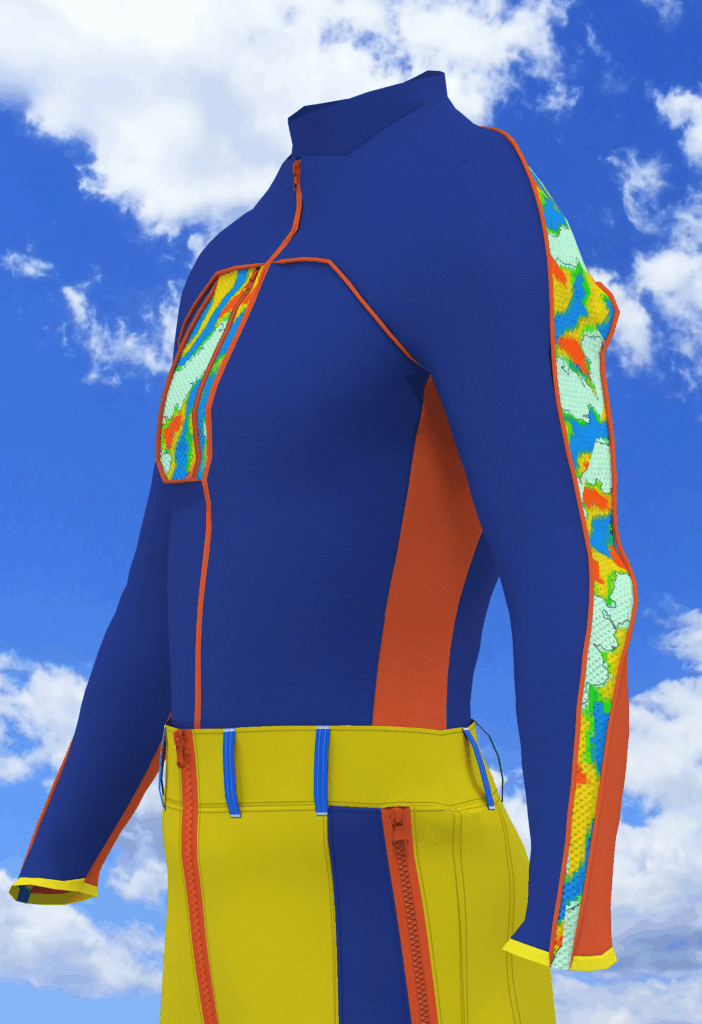
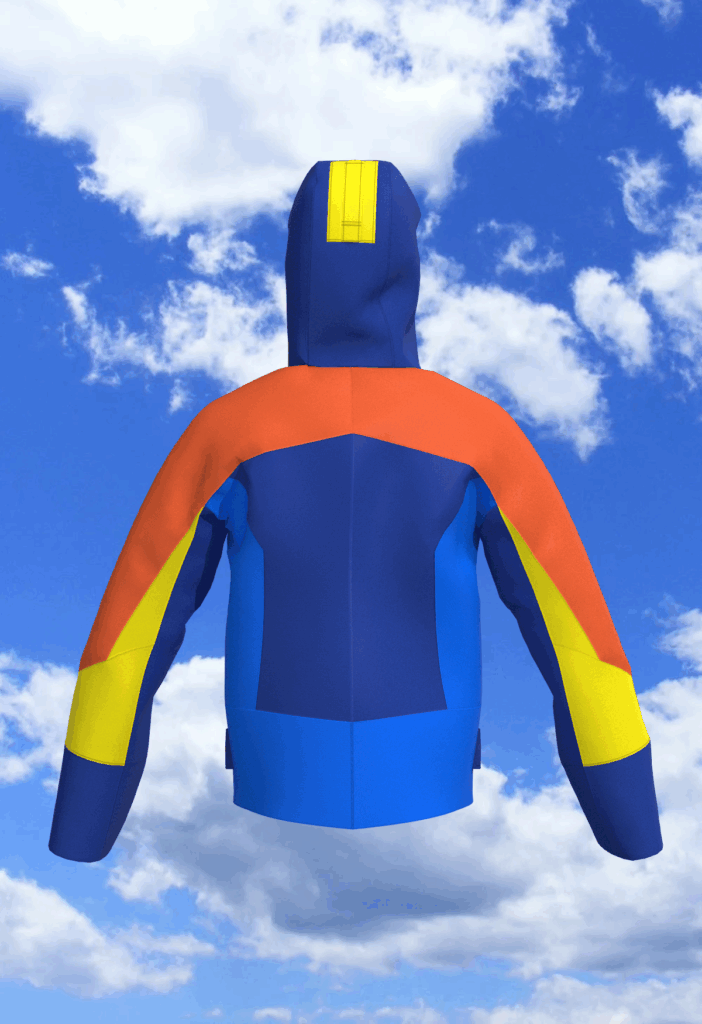
In response to these sector-specific challenges, this project presents a modular workwear system geared towards the operational realities of offshore wind workers. The design focuses on performance aspects identified through industry feedback and research: enhanced mobility for tasks requiring climbing, crouching, or overhead reach; improved fit across diverse body types; adaptability for varying risk scenarios and climates; and integration with required PPE, such as arc-rated protection, fire resistance, and flotation gear. The system is built from the ground up to integrate mobility, safety features and activity-specific features into the garments from the get-go.




Methodology & Industry Engagement
The development process combined doctrinal research with engagement from industry professionals and technical experts. Key insights were gained through an interview with a safety coordinator at Van Oord, who outlined the risks that offshore personnel are faced with and how PPE requirements change between personnel transfer, turbine maintenance, and emergency scenarios. Further input came from professionals involved in PPE manufacturing and contracting within the wind sector, Viking life-saving systems, played a crucial role in this process. To connect technical performance with wearable design, the project also consulted with outerwear designers from Mammut and ON Running, whose experience with movement-driven garment construction informed the development of articulated patterns suitable for physically demanding tasks. This approach ensured that the design solutions remained grounded in practical needs while incorporating insights from adjacent fields.

Digital Design Tools as a Core Driver
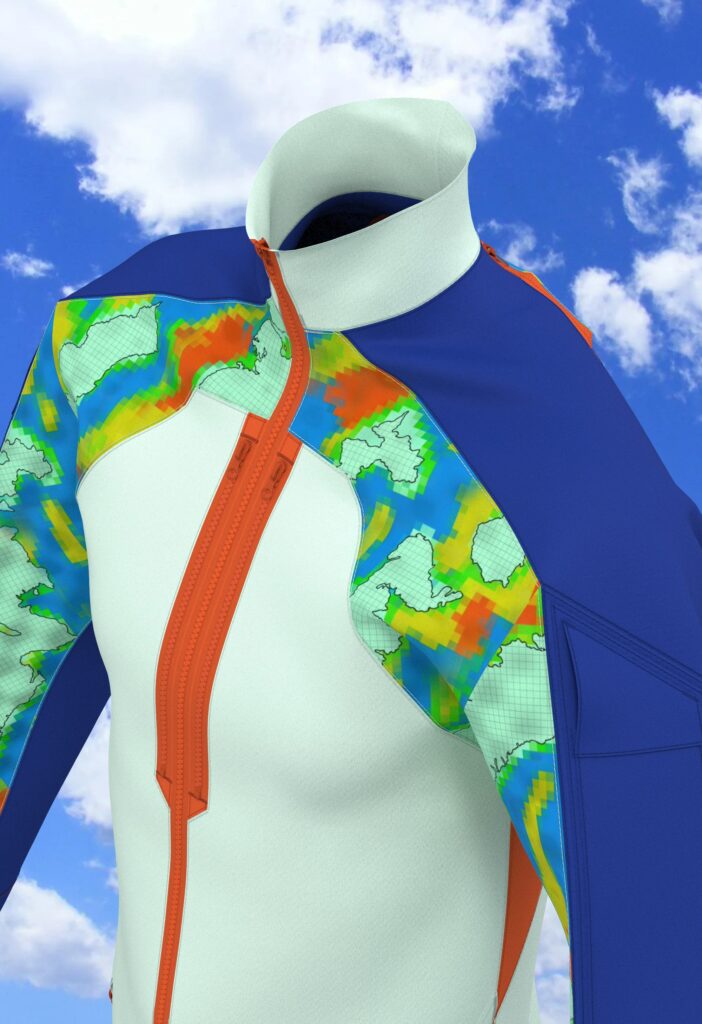
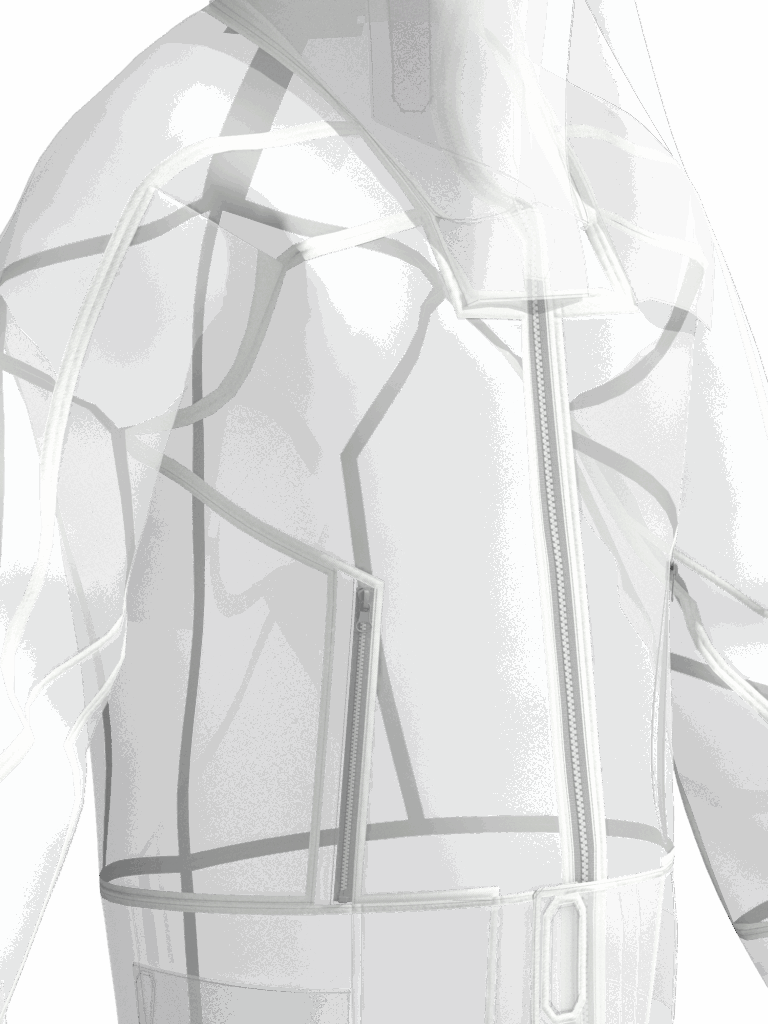
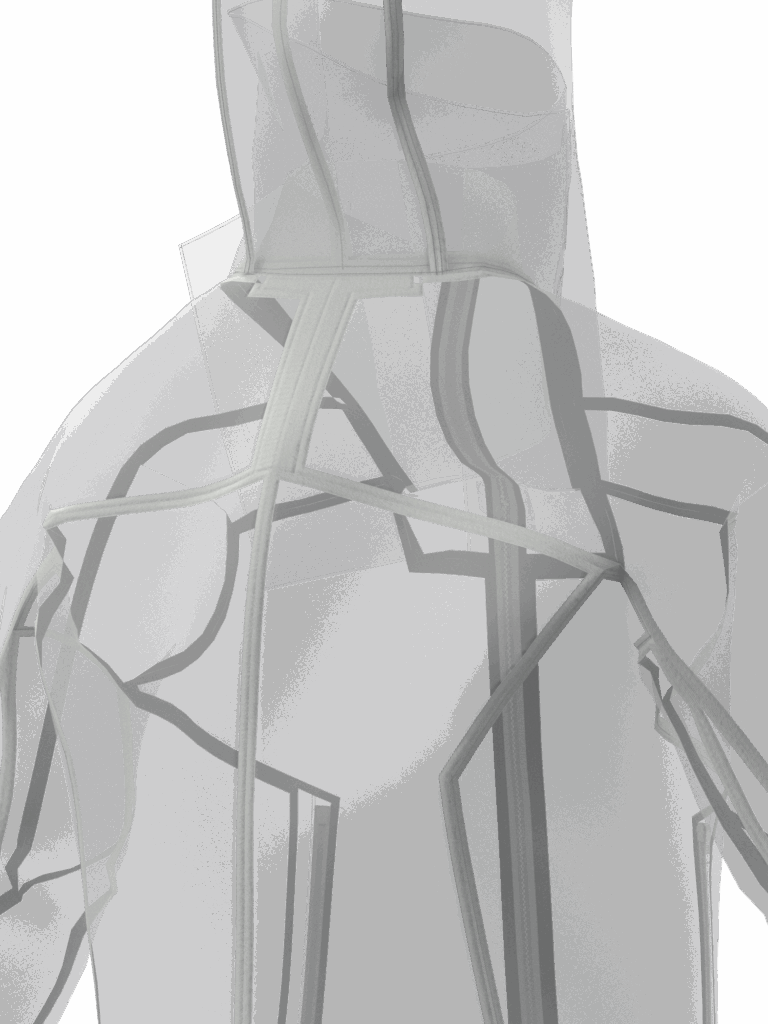
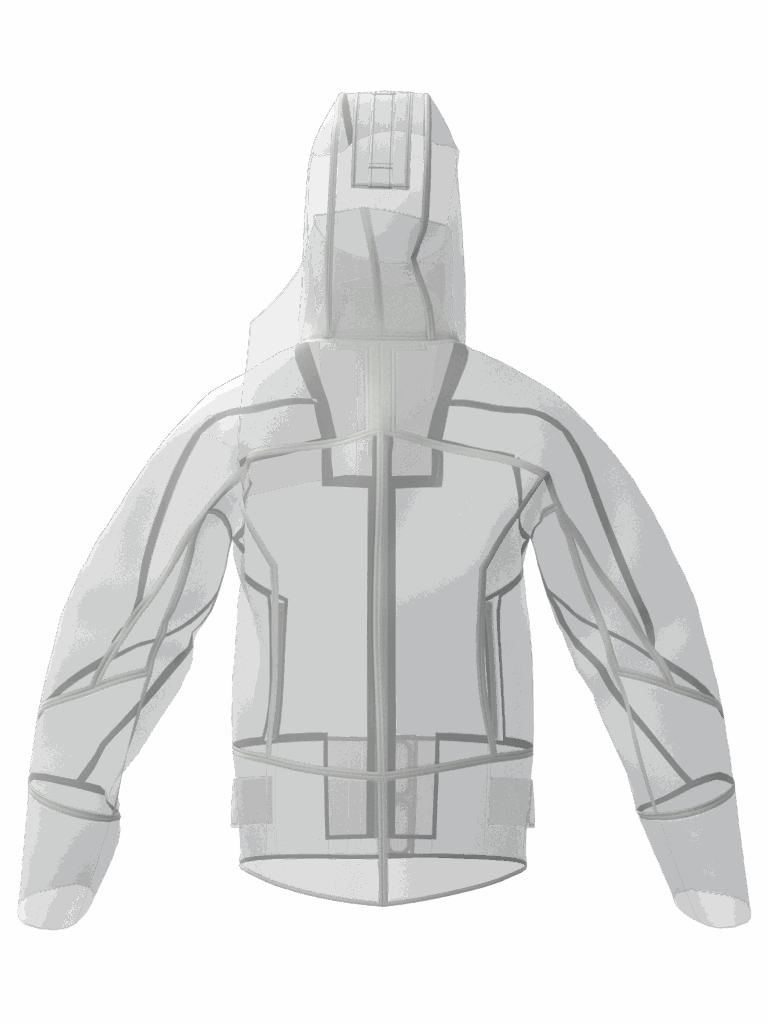
A key component of this project was the integration of digital design and prototyping using programs like CLO3D. This tool allowed for visualisation and pattern development for garment designs rapidly. It streamlined the process of testing form, fit, and equipment compatibility. 3D garment development enabled the exploration of complex construction and layering systems without the cost or time associated with physical sampling. It also allowed integration of real-world constraints, such as the placement of harness openings or life vest dimensions. Rather than being an supportive tool, CLO3D was the central platform for developing complex garment construction and experimenting with shape and form in this project.

Outcome & Future Potential
This project serves as a design proposition, with the designs remaining at a prototype level. The developed methodology, outlines clear steps to move forward, these include:
The development of real-life samples based on the prototype designs. Selection and refinement of materials and finishes to ensure optimal performance. Conduction of prototype trials will be, and testing in real-world conditions. Compliance assessments, ensuring designs meet relevant industry standards and regulations. Finally, scaling up for eventual production, ensuring that the design is ready for mass manufacturing and deployment.
The project was met with praise receiving an “excellent” grade from the assessors at the Willem de Kooning Academy, it also received the Honours certification and was nominated for the Future-Makers Award from the Rotterdam University of Applied Sciences.
